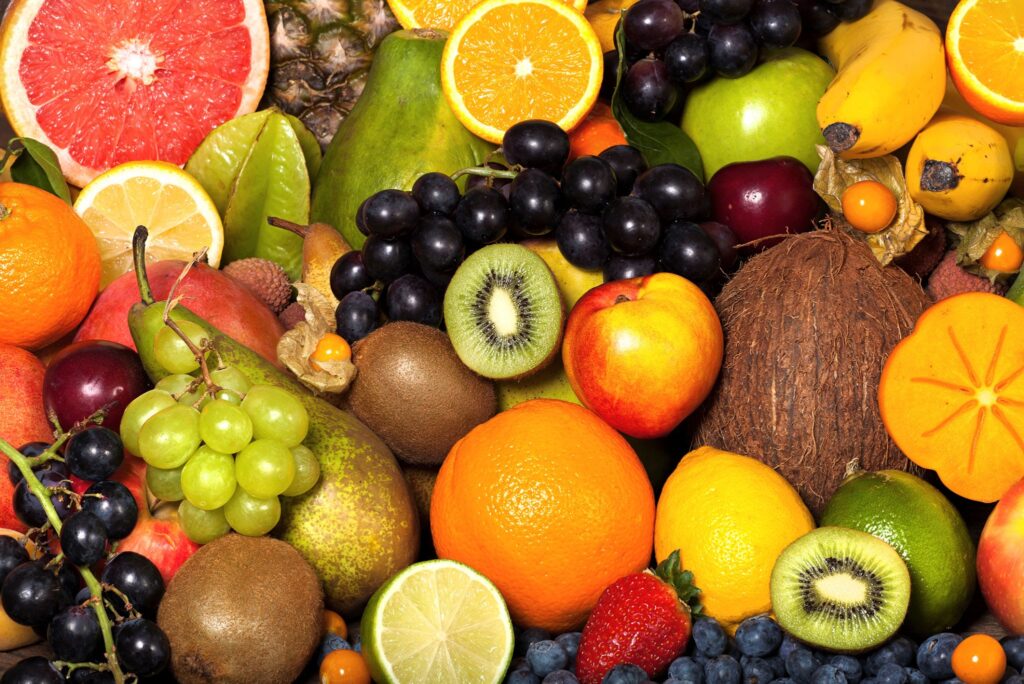
Fruit is good for you, but what is the healthiest fruit? All fruit offer health benefits, so include as much variety as possible.
“An apple a day keeps the doctor away,” or so the saying goes.
Healthcare professionals know that fruit is a highly nutritious, delicious, and convenient addition to any diet. With more than 2,000 varieties of fruit available, you may wonder which ones you should pick.
Each type of fruit brings its own unique set of nutrients and benefits to the table. The key is to eat fruits of various colors, as each color provides adifferent set of healthy nutrients (1Trusted Source).
Here are the top 20 healthiest fruits to enjoy on a regular basis.
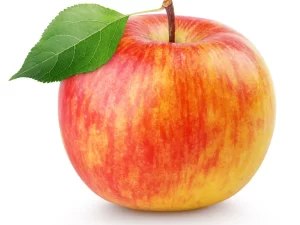
One of the most popular fruits, apples are chock-full of nutrition.
They’re rich in both soluble and insoluble fiber, such as pectin, hemicellulose, and cellulose. These help you manage your blood sugar levels, promote good digestion, and support gut and heart health (2Trusted Source, 3Trusted Source, 4Trusted Source).
In addition, they’re a good source of vitamin C and plant polyphenols, which are disease-fighting compounds found in plants. In fact, consuming apples regularly may lower your risk of heart disease, stroke, cancer, overweight, obesity, and neurological disorders (3Trusted Source, 5Trusted Source, 6Trusted Source, 7Trusted Source).
Note that most of the polyphenols in apples are located just below the skin, so be sure to eat it to reap the greatest benefits.
Blueberries are well known for their antioxidant and anti-inflammatory properties.
In particular, they’re high in anthocyanin, a plant pigment and flavonoid that gives blueberries their characteristic blue-purple color. This compound helps fight cell-damaging free radicals that can lead to disease (8Trusted Source).
Numerous studies have pointed to the health benefits of a diet high in anthocyanins, such as a lower risk of type 2 diabetes, heart disease, overweight, obesity, high blood pressure, certain types of cancer, and cognitive decline (8Trusted Source, 9Trusted Source, 10Trusted Source, 11Trusted Source, 12Trusted Source, 13Trusted Source).
For example, a study including over 200,000 participants observed a 5% decrease in the risk of type 2 diabetes for every 17 grams of anthocyanin-rich berries they consumed per day (14Trusted Source).
Other berries high in anthocyanins include blackberries, bilberry, elderberry, cherries, and chokeberries (8Trusted Source).
The benefits of bananas go beyond their potassium content. Along with providing 7% of the Daily Value (DV) for potassium, bananas contain (15Trusted Source):
- Vitamin B6: 27% of the DV
- Vitamin C: 12% of the DV
- Magnesium: 8% of the DV
In addition, they offer a wide variety of plant compounds called polyphenols and phytosterols, both of which support your overall health. Furthermore, they’re high in prebiotics, a type of fiber that promotes the growth of beneficial bacteria in the gut (16Trusted Source, 17Trusted Source, 18Trusted Source, 19Trusted Source).
Note that green, unripe bananas are higher in resistant starch than ripe ones, and they’re a good source of the dietary fiber pectin. Both of these have been linked to a number of health benefits, including improved blood sugar control and better digestive health (20, 21Trusted Source).
Meanwhile, ripe bananas are an excellent source of easily digested carbs, making them great to fuel up on before a workout (22Trusted Source, 23Trusted Source).
Oranges are known for their high vitamin C content, providing 91% of the DV in a single fruit. They’re also high in potassium, folate, thiamine (vitamin B1), fiber, and plant polyphenols (24Trusted Source).
Studies have found that consuming whole oranges may lower levels of inflammation, blood pressure, cholesterol, and post-meal blood sugar (24Trusted Source, 25Trusted Source).
Though 100% orange juice provides a high volume of nutrients and antioxidants, it usually lacks dietary fiber. Varieties that include the pulp do include some fiber, so opt for these over juices without pulp.
That said, try to eat whole oranges more often, and keep juice portions to 1 cup or less per serving.